Bringing Local Reptiles & Amphibians into Learning Spaces
Our Creek to Classroom program brings the wonder of local wildlife directly to students through live encounters with native reptiles and amphibians. By introducing young learners to turtles, salamanders, frogs, and other remarkable creatures from our own watersheds and woodlands, we foster curiosity, ecological literacy, and a deeper sense of connection to the natural world right outside their doors.
Each program is designed to align with science curriculum standards while sparking genuine wonder and respect for the animals that share our landscape. Through safe, interactions and storytelling rooted in local ecology, students learn not only about individual species but also about the interconnected web of life they belong to, and how human choices impact these fragile populations and their habitats.
Whether you're an educator looking to enrich classroom science units, a homeschool group seeking experiential nature study, or a community organization wanting to inspire environmental stewardship, Creek to Classroom offers engaging, age-appropriate programming that makes wildlife education accessible, memorable, and meaningful.
*Before checking out, please read How Booking Works section listed at the bottom of the page.
Program Overview
Creek to Classroom sessions center around live animal encounters guided by our Conservation Specialist, who brings extensive field experience from work with the New York State Department of Environmental Conservation, international conservation efforts with Galápagos turtle specialists, and contributions to published ecological research. Each program balances scientific content with interactive learning, creating space for both education and inspiration.
What to Expect:
Students will meet 6-8 live native species, learning about their natural history, adaptations, habitats, and conservation status. Through observation, gentle handling (when appropriate), and guided discussion, participants discover how these animals survive, what threats they face, and what we can do to protect them. Programs are tailored to age groups from early elementary through high school, with content complexity and interaction styles adapted accordingly.
Program Themes & Learning Objectives
Each Creek to Classroom visit can be customized to complement specific curriculum units or focus on particular themes. All programs emphasize ecological thinking, conservation awareness, and the relationship between human activity and wildlife health.
Core Learning Areas:
Amphibian & Reptile Biology
Understanding life cycles, adaptations, thermoregulation, sensory systems, and the unique characteristics that allow these animals to thrive in diverse habitats, from vernal pools to forest floors to stream edges.
Local Ecology & Habitat
Exploring where these species live in our region, what they need to survive, and how different habitats support different communities of wildlife. Students learn to recognize the creeks, wetlands, and woodlands nearby as living ecosystems full of remarkable creatures.
Conservation & Human Impact
Examining real threats facing local reptiles and amphibians, habitat loss, pollution, road mortality, climate change, and invasive species—while highlighting actionable ways students and communities can make a difference through habitat protection, citizen science, and mindful outdoor ethics.
Biodiversity & Interconnection
Discovering how these animals fit into larger food webs, their roles as both predator and prey, and why protecting even small, often-overlooked species matters for ecosystem health and resilience.
Program Format Options
Single Classroom Visit (45-60 minutes)
A focused, dynamic session perfect for enriching a science unit or providing a memorable introduction to herpetology and local ecology. Students meet multiple species, ask questions, and participate in hands-on learning activities tailored to their grade level.
Multi-Session Series (2-4 visits)
Deepen the learning with return visits that allow for skill progression, seasonal comparisons, or thematic exploration. A series format might follow amphibians through their life cycle, compare different habitat types, or integrate field observation practices between sessions.
Homeschool & Community Group Programs
Flexible scheduling and customized content for homeschool co-ops, scout groups, library programs, nature centers, and community education initiatives. Longer sessions (90+ minutes) can incorporate outdoor exploration, journaling, or extended Q&A.
Our Commitment
We believe that local wildlife deserves our respect, protection, and celebration. By bringing these animals into learning spaces with care and intention, we hope to inspire the next generation of environmental stewards, young people who see themselves as part of the natural world, not separate from it, and who understand that their choices matter for the creatures who share this landscape with us.
Every encounter is an opportunity to transform how students see the creeks, ponds, and forests around them, not as empty spaces, but as homes to remarkable beings whose survival depends on our awareness and action.
Getting Started
Creek to Classroom programs are customized to meet your educational goals, group size, and learning environment. Whether you're introducing ecology concepts, supporting a wetlands unit, celebrating Earth Month, or simply wanting to inspire wonder in the natural world, we'll work with you to design a program that serves your students' needs.
Contact us to bring the creek into your classroom and give your students an unforgettable encounter with the wildlife living right in their own watershed.
How booking works: Since each program is customized based on your group size and specific needs, the checkout process at $0.00 simply lets us know you're interested! Once I receive your inquiry, I'll reach out to discuss the details and provide you with a personalized quote and agreement. No commitment is made until we've agreed on everything and you've signed the agreement.
Bringing Local Reptiles & Amphibians into Learning Spaces
Our Creek to Classroom program brings the wonder of local wildlife directly to students through live encounters with native reptiles and amphibians. By introducing young learners to turtles, salamanders, frogs, and other remarkable creatures from our own watersheds and woodlands, we foster curiosity, ecological literacy, and a deeper sense of connection to the natural world right outside their doors.
Each program is designed to align with science curriculum standards while sparking genuine wonder and respect for the animals that share our landscape. Through safe, interactions and storytelling rooted in local ecology, students learn not only about individual species but also about the interconnected web of life they belong to, and how human choices impact these fragile populations and their habitats.
Whether you're an educator looking to enrich classroom science units, a homeschool group seeking experiential nature study, or a community organization wanting to inspire environmental stewardship, Creek to Classroom offers engaging, age-appropriate programming that makes wildlife education accessible, memorable, and meaningful.
*Before checking out, please read How Booking Works section listed at the bottom of the page.
Program Overview
Creek to Classroom sessions center around live animal encounters guided by our Conservation Specialist, who brings extensive field experience from work with the New York State Department of Environmental Conservation, international conservation efforts with Galápagos turtle specialists, and contributions to published ecological research. Each program balances scientific content with interactive learning, creating space for both education and inspiration.
What to Expect:
Students will meet 6-8 live native species, learning about their natural history, adaptations, habitats, and conservation status. Through observation, gentle handling (when appropriate), and guided discussion, participants discover how these animals survive, what threats they face, and what we can do to protect them. Programs are tailored to age groups from early elementary through high school, with content complexity and interaction styles adapted accordingly.
Program Themes & Learning Objectives
Each Creek to Classroom visit can be customized to complement specific curriculum units or focus on particular themes. All programs emphasize ecological thinking, conservation awareness, and the relationship between human activity and wildlife health.
Core Learning Areas:
Amphibian & Reptile Biology
Understanding life cycles, adaptations, thermoregulation, sensory systems, and the unique characteristics that allow these animals to thrive in diverse habitats, from vernal pools to forest floors to stream edges.
Local Ecology & Habitat
Exploring where these species live in our region, what they need to survive, and how different habitats support different communities of wildlife. Students learn to recognize the creeks, wetlands, and woodlands nearby as living ecosystems full of remarkable creatures.
Conservation & Human Impact
Examining real threats facing local reptiles and amphibians, habitat loss, pollution, road mortality, climate change, and invasive species—while highlighting actionable ways students and communities can make a difference through habitat protection, citizen science, and mindful outdoor ethics.
Biodiversity & Interconnection
Discovering how these animals fit into larger food webs, their roles as both predator and prey, and why protecting even small, often-overlooked species matters for ecosystem health and resilience.
Program Format Options
Single Classroom Visit (45-60 minutes)
A focused, dynamic session perfect for enriching a science unit or providing a memorable introduction to herpetology and local ecology. Students meet multiple species, ask questions, and participate in hands-on learning activities tailored to their grade level.
Multi-Session Series (2-4 visits)
Deepen the learning with return visits that allow for skill progression, seasonal comparisons, or thematic exploration. A series format might follow amphibians through their life cycle, compare different habitat types, or integrate field observation practices between sessions.
Homeschool & Community Group Programs
Flexible scheduling and customized content for homeschool co-ops, scout groups, library programs, nature centers, and community education initiatives. Longer sessions (90+ minutes) can incorporate outdoor exploration, journaling, or extended Q&A.
Our Commitment
We believe that local wildlife deserves our respect, protection, and celebration. By bringing these animals into learning spaces with care and intention, we hope to inspire the next generation of environmental stewards, young people who see themselves as part of the natural world, not separate from it, and who understand that their choices matter for the creatures who share this landscape with us.
Every encounter is an opportunity to transform how students see the creeks, ponds, and forests around them, not as empty spaces, but as homes to remarkable beings whose survival depends on our awareness and action.
Getting Started
Creek to Classroom programs are customized to meet your educational goals, group size, and learning environment. Whether you're introducing ecology concepts, supporting a wetlands unit, celebrating Earth Month, or simply wanting to inspire wonder in the natural world, we'll work with you to design a program that serves your students' needs.
Contact us to bring the creek into your classroom and give your students an unforgettable encounter with the wildlife living right in their own watershed.
How booking works: Since each program is customized based on your group size and specific needs, the checkout process at $0.00 simply lets us know you're interested! Once I receive your inquiry, I'll reach out to discuss the details and provide you with a personalized quote and agreement. No commitment is made until we've agreed on everything and you've signed the agreement.

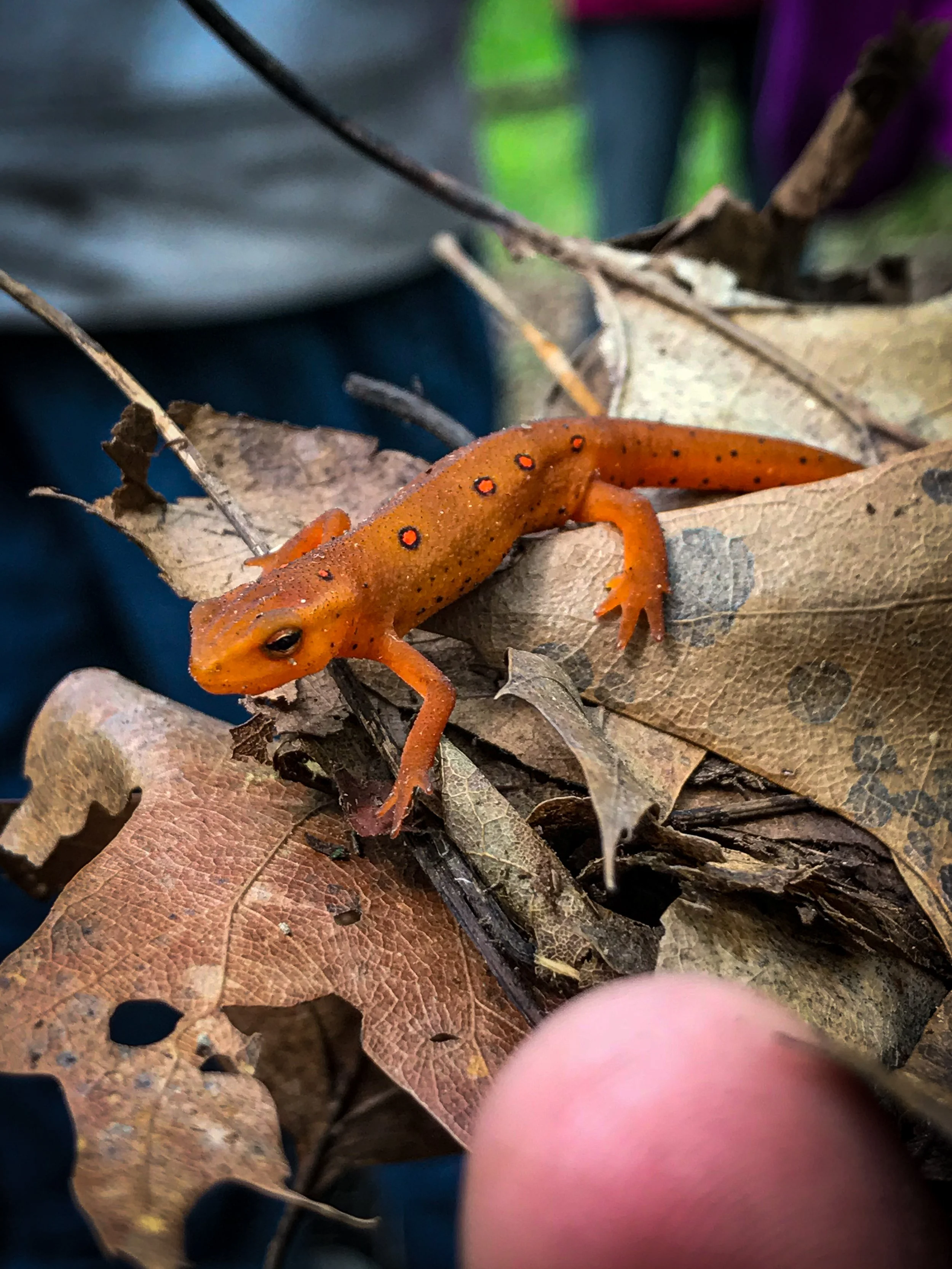 Image 1 of 9
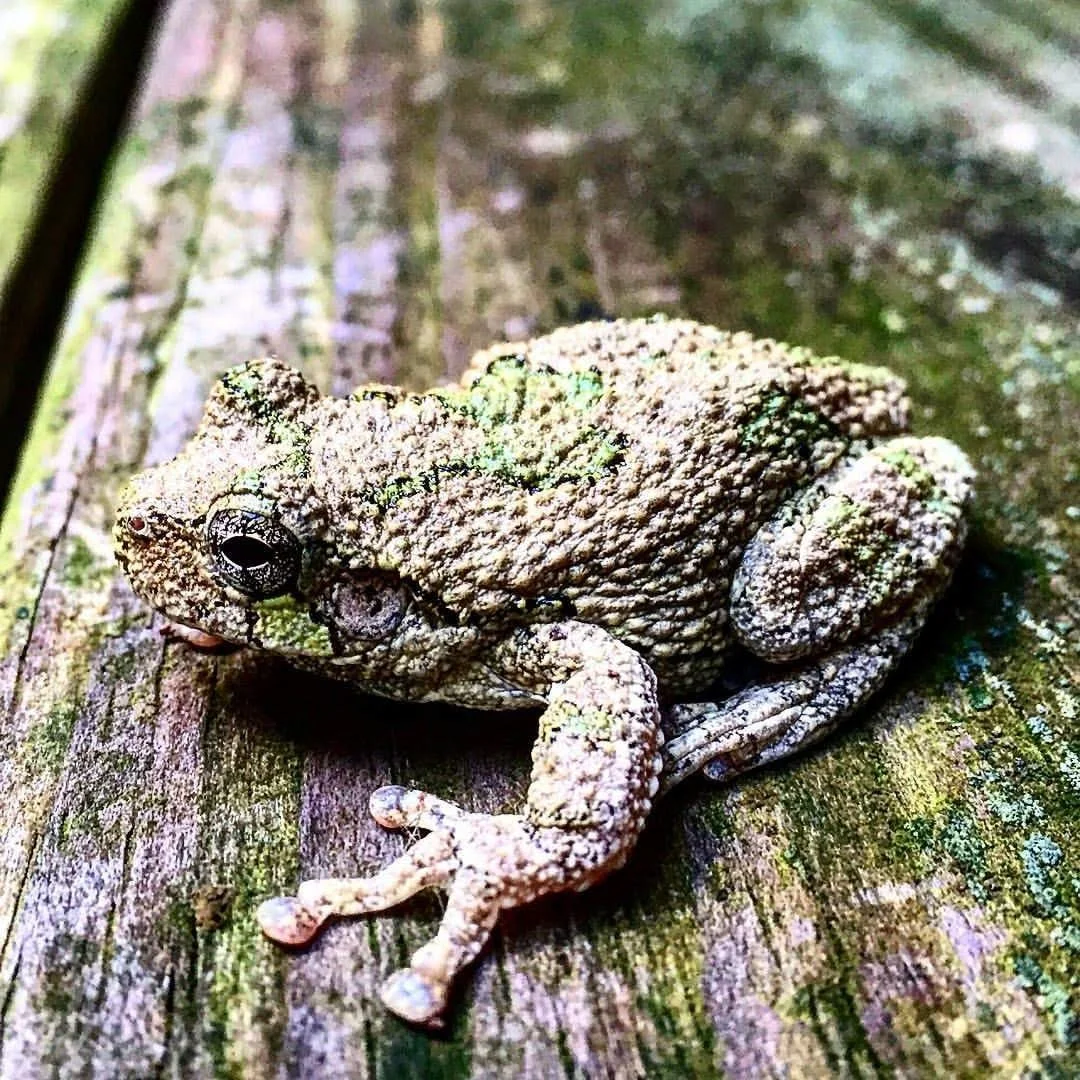 Image 2 of 9
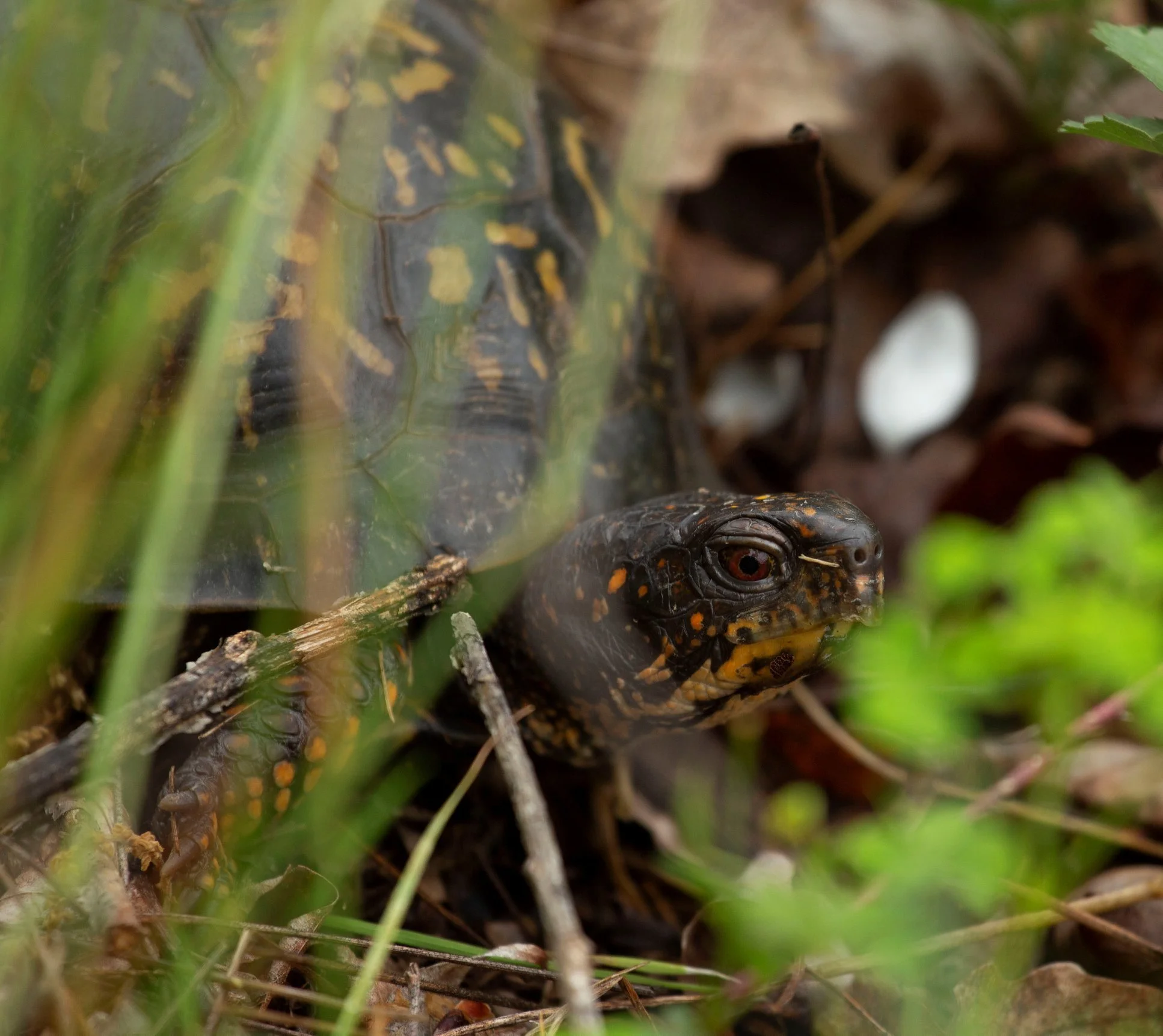 Image 3 of 9
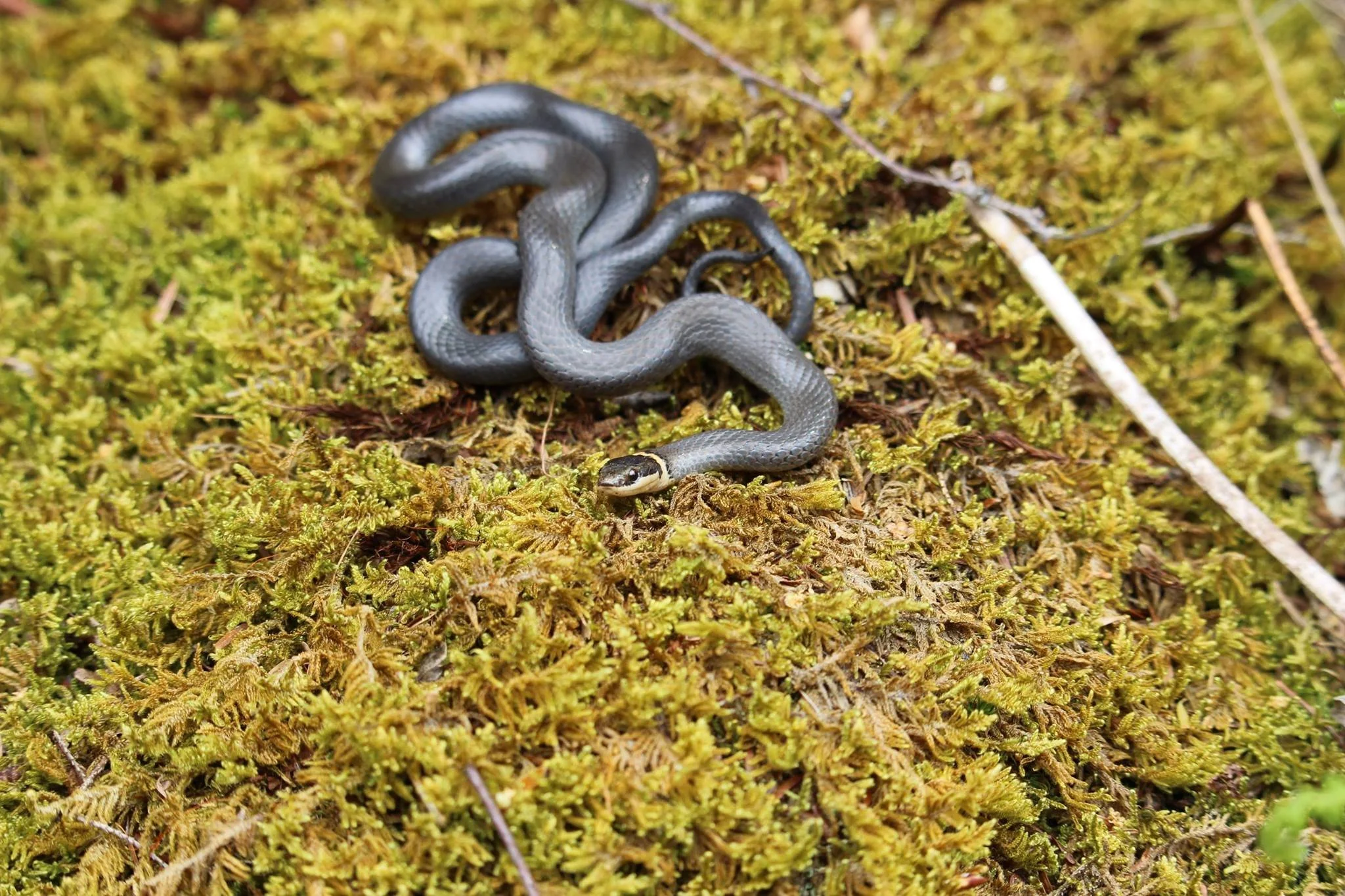 Image 4 of 9
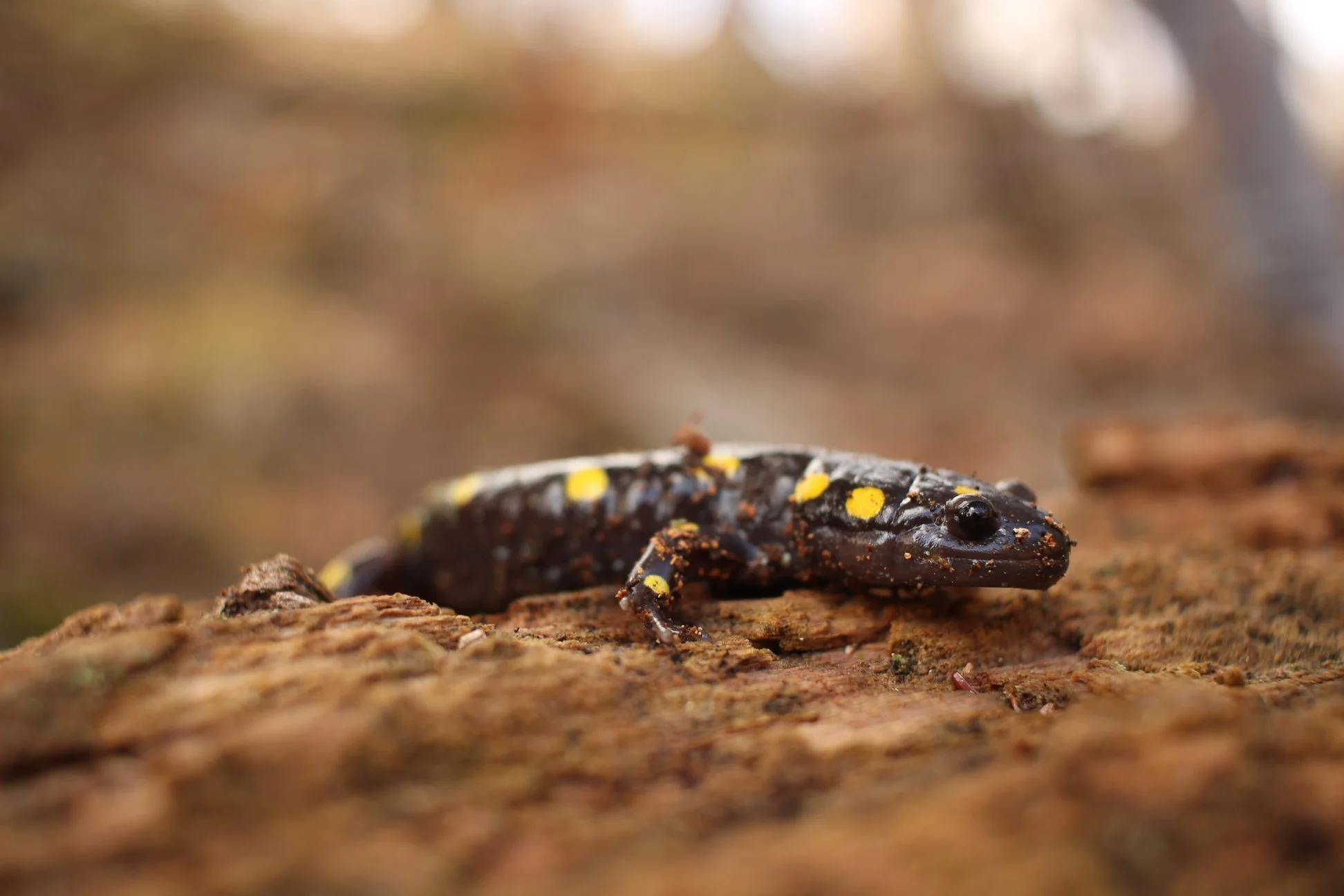 Image 5 of 9
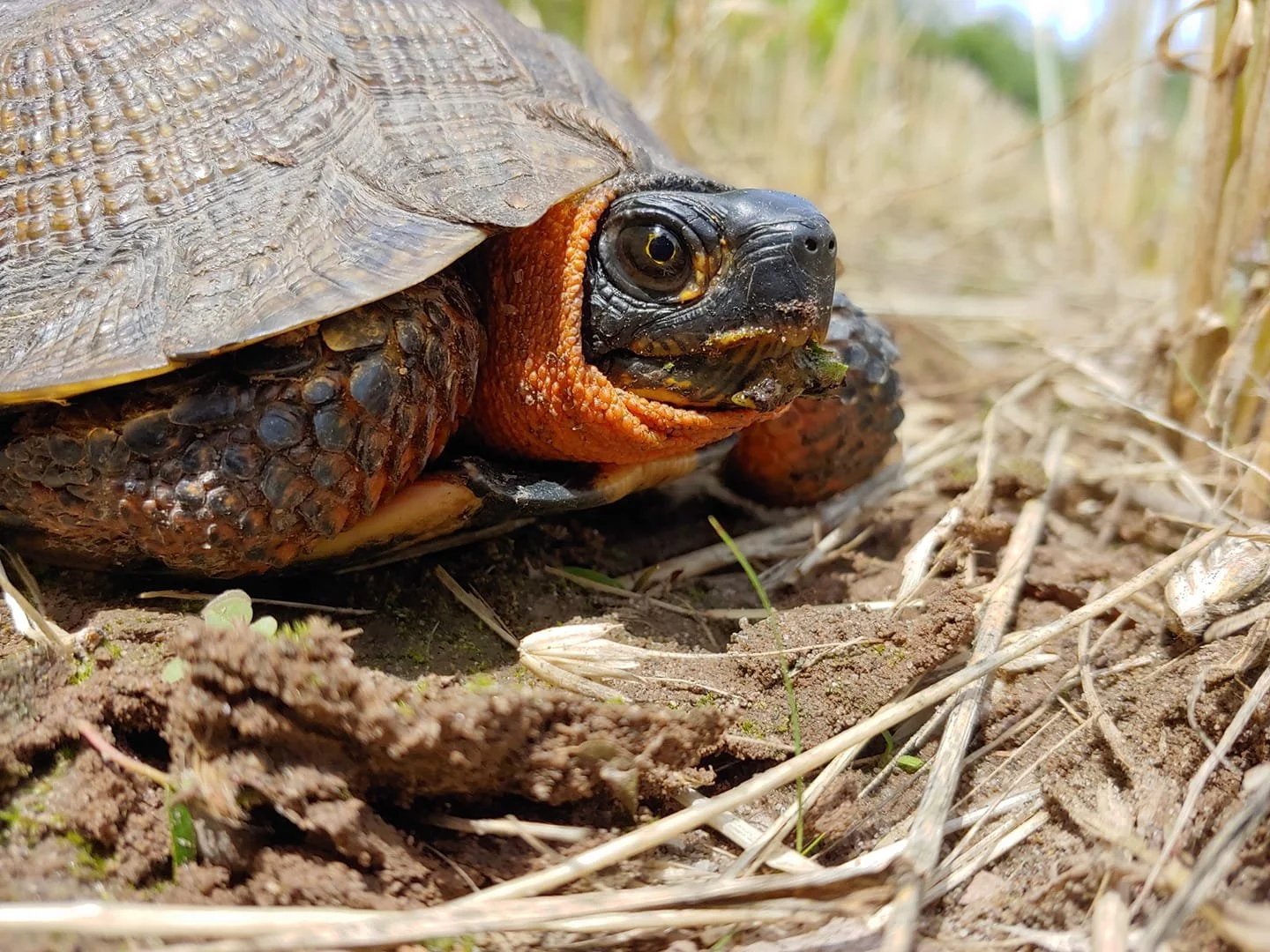 Image 6 of 9
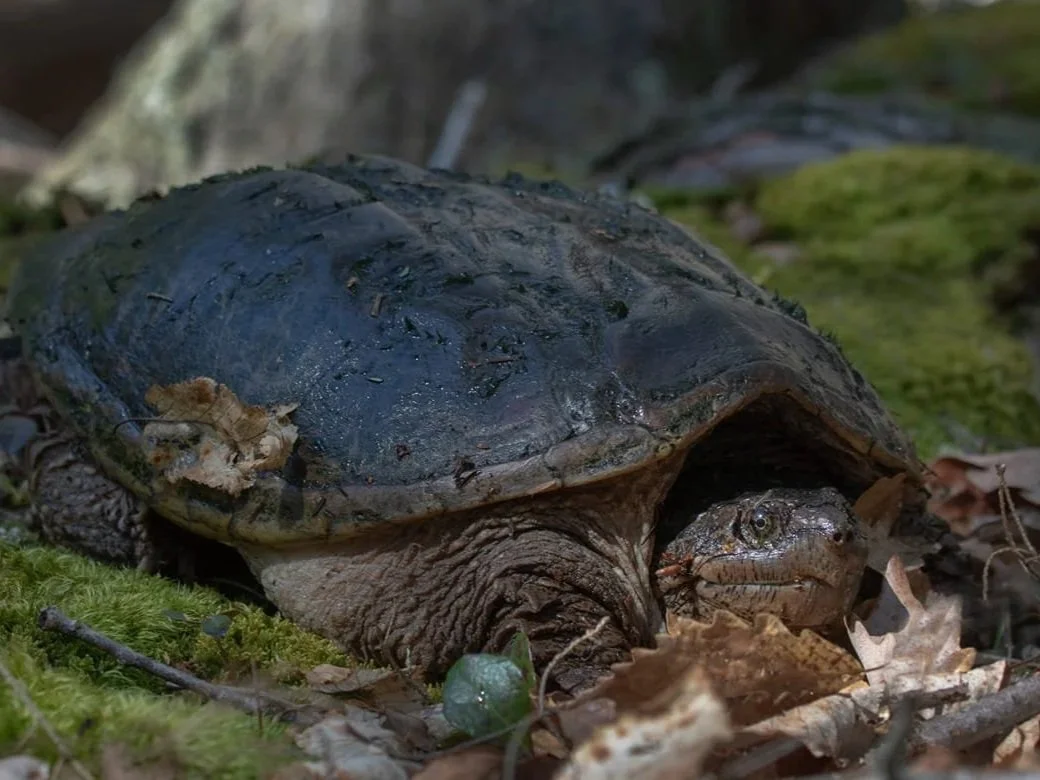 Image 7 of 9
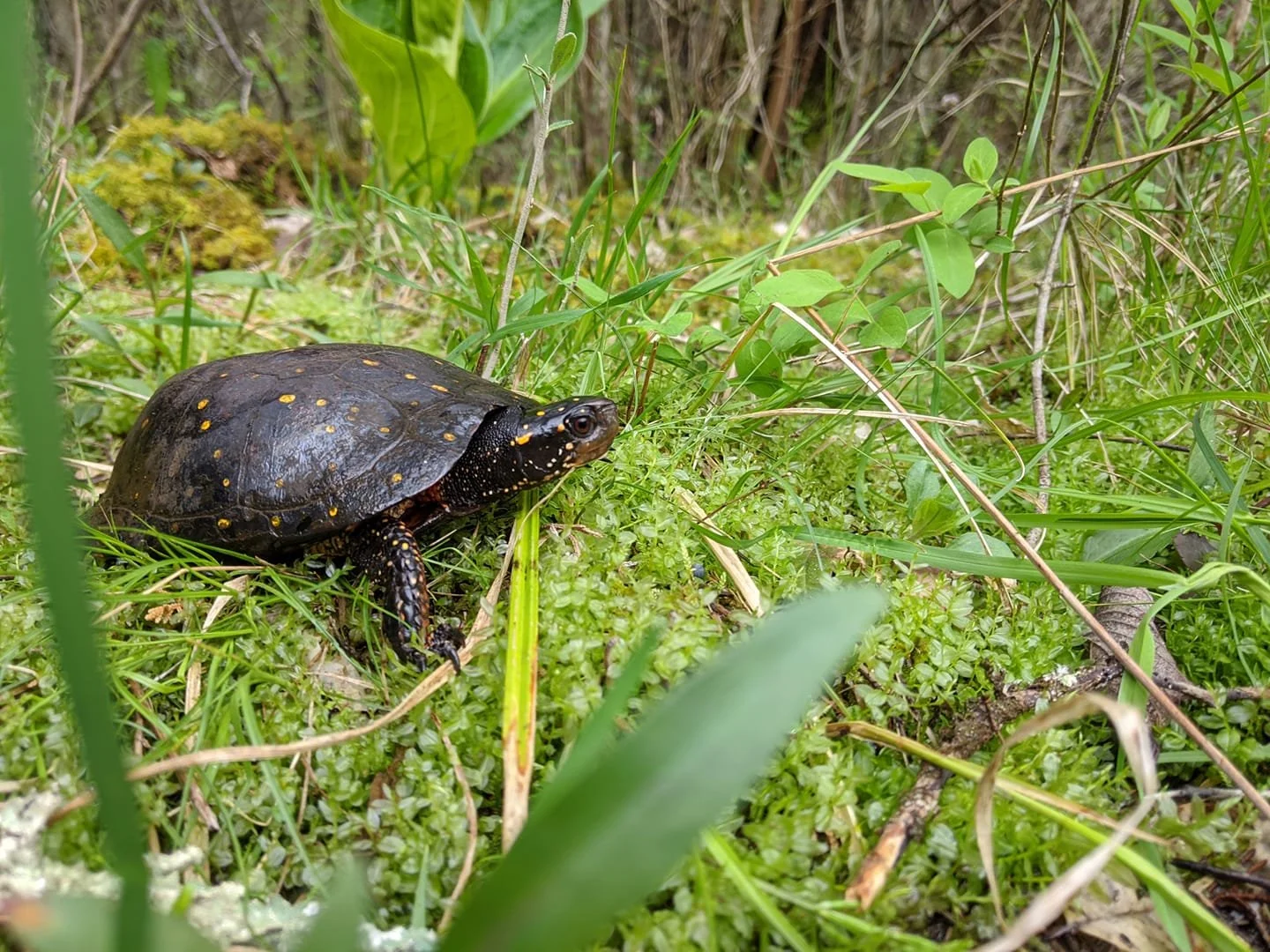 Image 8 of 9
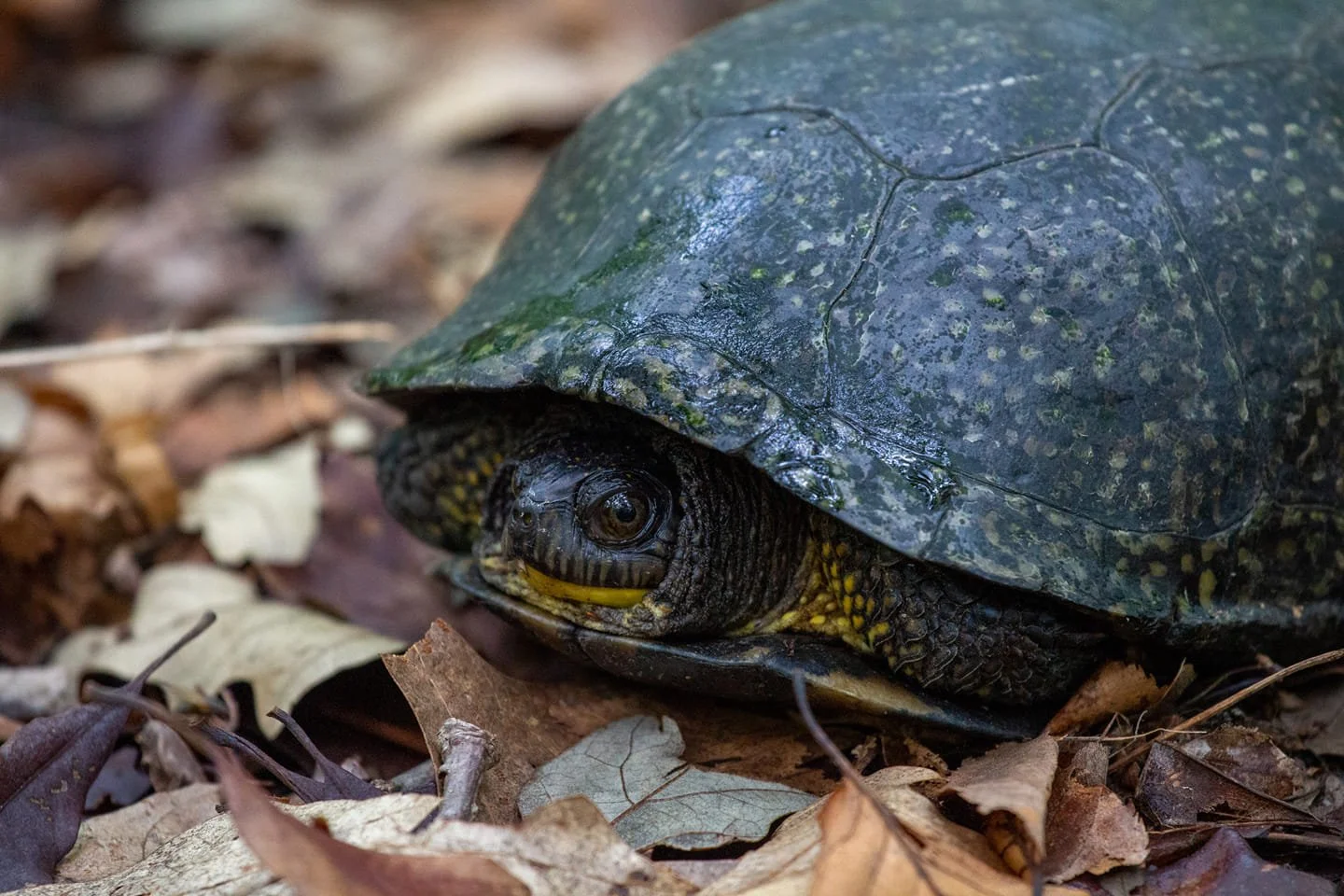 Image 9 of 9